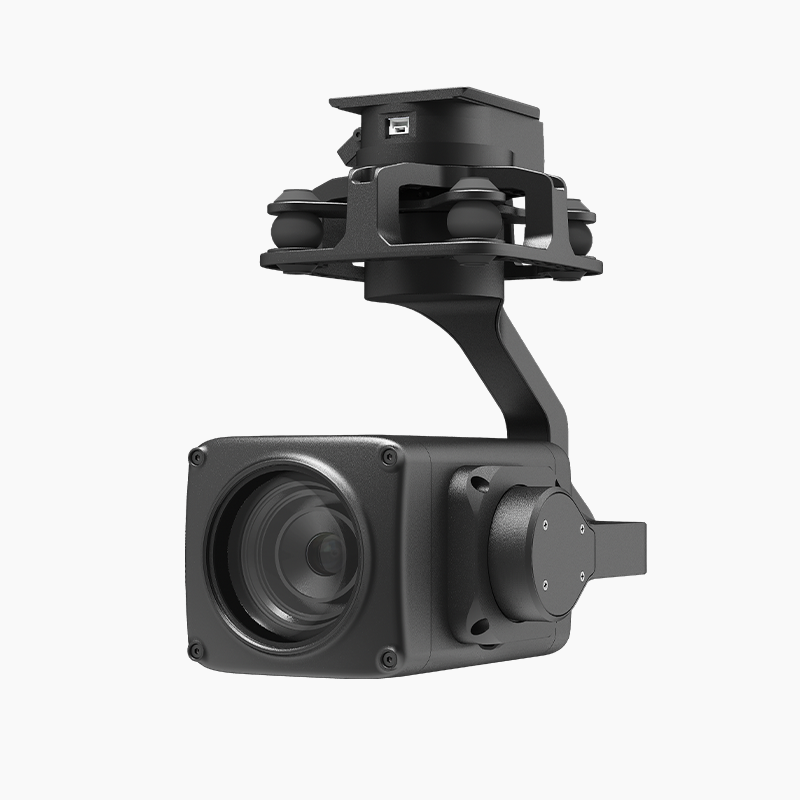
What industries are leveraging micro gimbal camera technology for innovation?
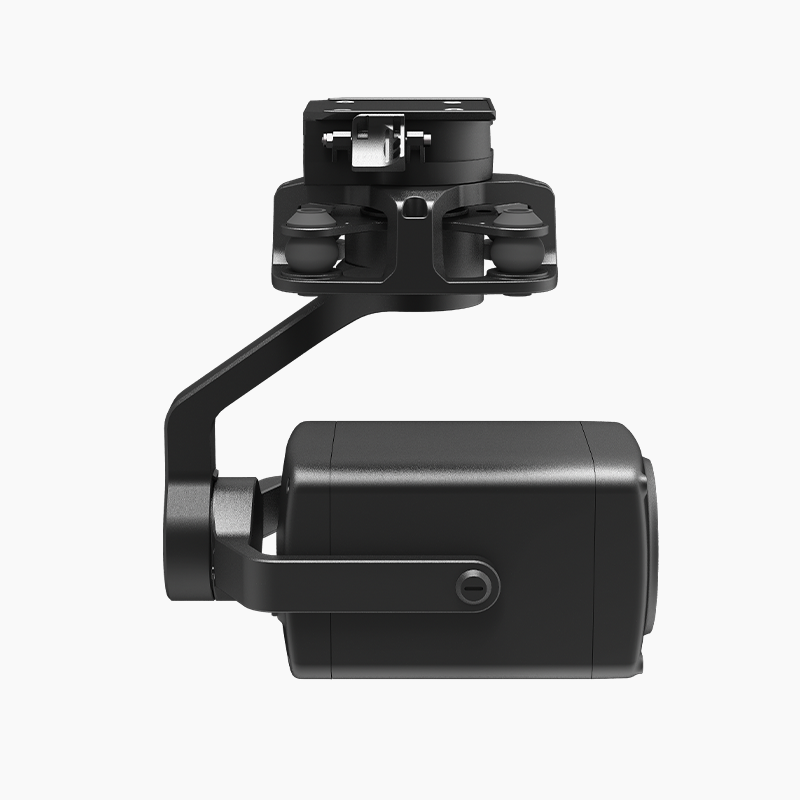
Welcome concerning our comprehensive discussion on balancing mechanisms plus temperature recording within autonomous craft.
Stabilizer Roles involving UAV Optical Improvements
Airborne vehicles are undergoing remarkable developments in camera equipment. Complex gimbal systems now support incredibly seamless footage, under turbulent scenarios. Furthermore, the inclusion of thermal sensors offers unmatched opportunities for evaluation in fields like crop-monitoring, furnishing valuable data beyond what standard light cameras can detect. These merged technologies are essentially revolutionizing the field of aerial filming.
Observing into the Shadow: UAV Instruments with Dim-Light & Support Tech
The modern landscape of unmanned aerial vehicles is being revolutionized by advancements in camera capabilities. In particular, the combination of night vision technology and advanced gimbal suspension allows for unprecedented visibility during nighttime tasks. These efficient cameras, often utilizing infrared scanning, can cut through darkness, providing crucial details for protection purposes. Additionally, the gimbal system reliably minimizes vibration, resulting in remarkably uniform footage even in harsh conditions. Criteria like focus and frequency are constantly critical for optimal output.
- Greater Circumstantial Recognition
- Expanded Range of Service
- Meticulous Information Acquisition
Drone Camera Comparison: Suspension, Radiation Detection, Zoom & Shadow Perception
Selecting the best UAV camera necessitates a challenging decision. Deliberate on the diverse types available: supported systems present smooth, professional footage; thermographic cameras stand out in low-visibility conditions by tracking heat sources; adjustable lenses empower you to magnify distant elements; and low-light vision mechanisms utilize advanced devices to collect imagery in minimal light. The recommended blend is subject to the planned task.
This Advancing of Unmanned Tracking Solutions: Fusing Heat & Gloom Detection
Conventionally, Drone instruments centered on normal light imaging. Still, sophisticated needs in areas particularly security & aid demand enhanced data-gathering insight. Fusing thermal night vision camera sensors alongside dark viewing abilities grants operators a substantial gain, supplying users to notice elements obscured from conventional luminescence. One integration markedly elevates operational capabilities across a far-reaching set of applications.Mounting Balance Merges with Thermal Vision: A Cutting-Edge Era for UAV Imaging
A emerging epoch dedicated to robotic imaging has, powered thanks to the meeting between modern support techniques and sensitive thermal imaging. Such jumble grants personnel allowing them to acquire clearer thermal data from drones, even with unstable flying circumstances, opening new applications throughout various industries like evaluation, reclamation in addition to precision planting.
Flying System Camera Telephoto Capabilities: Coordinating Length & Twilight Observation
Advancements in Pilotless Device technology are constantly enhancing camera focus adjustment functionality, but a vital challenge involves reconciling coverage and twilight observation. Extending such magnification to observe long-range objects often limits luminosity sensitivity, allowing clear night detection tricky. Developers are exploring revolutionary strategies, such as advanced camera models and algorithmic upgrades, to diminish noted compromise and extend precise imagery at multiple coverages, even under suboptimal illumination scenarios.
Determining a Suitable UAV Sensor: Steadiness, Radiation, & Optical Range Parameters
As assessing this UAV imaging system, countless critical parameters have to be weighed. This secure dampening platform is vital for uninterrupted drone cinematography , particularly in blustery situations. Radiometric cameras grant valuable understanding for deployments like monitoring and retrieval responses. Finally, focal adjustment capabilities facilitate sharper looks of features, although increased long-distance view typically produces minimized picture sharpness and entails increased luminosity.
{Night Vision UAV Cameras: Elevated Safety with Support Reinforcement
Contemporary autonomous drones are advancing security systems with the introduction of night vision modules. Notably, steadiness platform secures exceptional stability for the camera apparatus, supporting clear clips even in challenging conditions or during operation. This quality notably elevates inspection efficiency and supplies a crucial plus for officers and numerous associations requiring reliable nighttime imaging.
Sophisticated Aerial Optical Solutions: Uniting Magnification Thermographic & Shadow Observation
Modern airborne units are continuously equipped with advanced camera systems that go beyond basic photography. These innovative solutions often incorporate a union of efficient technologies, embracing variable range capabilities for exact inspection, thermographic imaging to uncover radiant signs, and low-light vision mechanisms to empower operation in poor circumstances. This collaboration provides personnel with a substantial advantage in expanded industries, from humanitarian aid to maintenance checks and defense surveillance.