How does cycle time optimization work on an STS Crane (Ship-to-Shore Container Gantry Crane)?
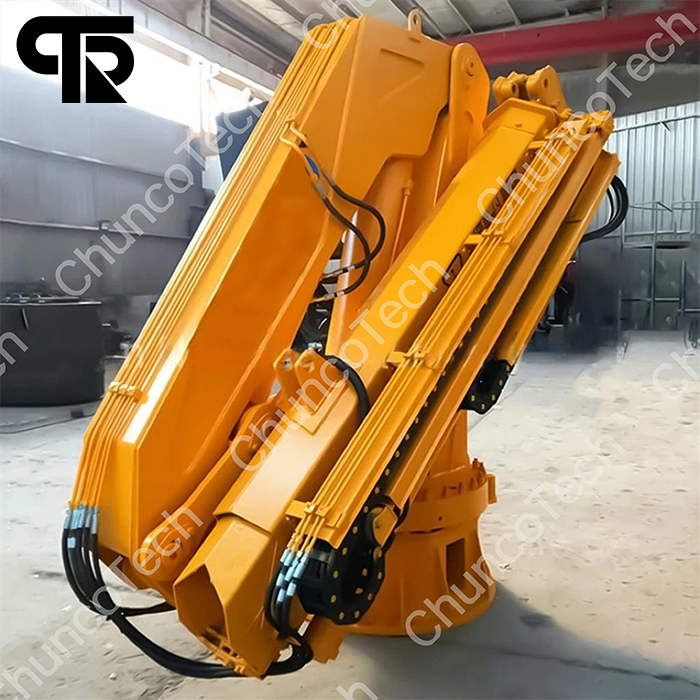
Selecting a lifting mechanism, the resolution often comes down to segment boom versus telescopic boom. Direct jibs yield uncomplicated nature and are appropriate for vertical lifts, but foldable booms produce enhanced maneuverability, facilitating access to constrained spaces. Weigh the worksite; if you’re largely facing impediments or want more complex positioning, a pivoting lift is usually the optimal option. However, for unconfined areas and simple lifts, a linear crane might serve as a enhanced thrifty approach.
Understanding Rigid Arm Hoists: Employments and Favors
Tough lifting boom loaders represent a dedicated type of lifting equipment, designed for significant load management in difficult settings. Their chief trait is a firm arm build, which permits for exact positioning and improved balance, especially when working in restricted spaces or at considerable heights. Common applications include bridge formation, assembly initiatives, breeze plantation fitting, and structural advancement. The principal advantages include increased shielding, heightened capability, and the power to execute tasks that could be impossible with ordinary apparatus. This leads to decreased expenses and refined plan effects.
STS Lifting Devices: The Leaders of Dockside Container Management
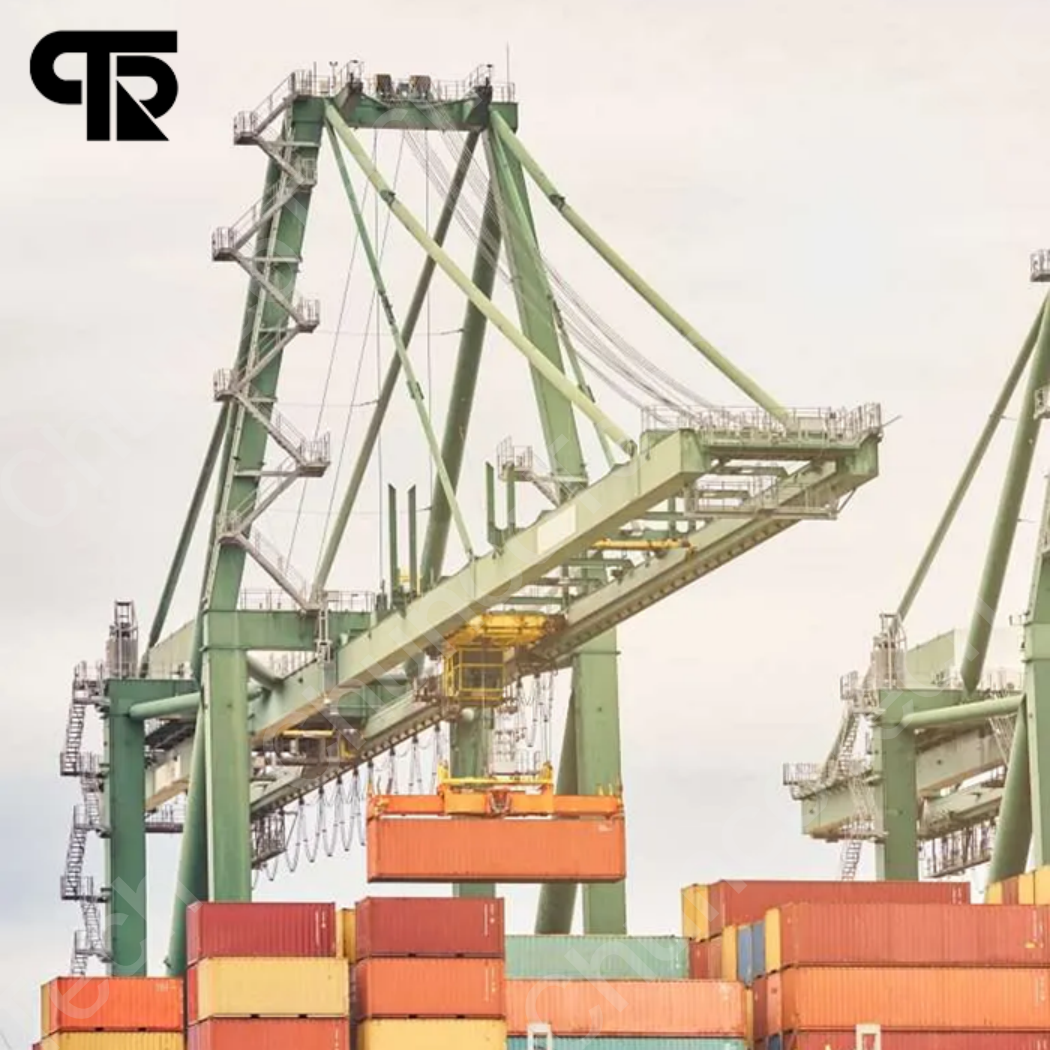
Newest monumental STS hoists represent the pinnacle of engineering triumph in the seafaring industry. Designed to reliably load and unload containers between flotillas and the berth, they are essential for the fluent operation of modern terminals. Their stature – often exceeding a hundredfold distance units – and remarkable force allow them to handle the maximum container ships currently in employment, fundamentally changing global economy.
Knuckle Boom Cranes: Flexibility in Handling Activities
Folding hoists are esteemed for their exceptional variability, providing operators with a particular advantage in varied lifting up activities. Containing a folding boom fragment, these heavy-duty equipment can maneuver around interferences and situate items in confined places. This capability makes them advantageous for applications in erection, management, energy duties, and numerous other domains. Conclusively, knuckle boom devices offer a noteworthy answer to intricate loading needs.
Straight Boom Cranes: Fineness and Stability Detailed
Unbending boom devices are recognized for their notable capacity to deliver meticulous lifting and arrangement of loads. In contrast to collapsible models, their easy design leads to fundamental robustness, making them befitting for tasks requiring considerable extents of direction and minimal movement. This quality is distinctly significant in construction sites and sectors where demanding tolerances are imperative.
Tough Jib Equipment Advantages: When Stiffness Is Important
Classic lifting arm tools often face challenges with elasticity, especially when hoisting dense freight or operating at significant reaches. Nevertheless, rigid jib systems deliver a notable edge by preventing undesirable oscillation. This augmented steadiness converts to protected processes, better placement, and a lower chance of load instability. As a result, strong machines are appropriate for works where physical security is critical.
Quay-Side Cranes: An Comprehensive Overview into STS Systems
A wharf loading machine arrangement represents an vital component in modern container yards. Present-day STS lifters are high-tech arrangements crafted to effectively shift packages out of large shipborne crafts towards shore-based carrying. Their execution entails accuracy architecture and coordinated control to preserve stability and heighten performance.
Evaluating Hoisting Kinds: Variflex, Extendable, Luffing, and Jetty
Picking the optimal lifter for a particular assignment is essential. While many variations exist, four typical varieties – jointed cranes, direct cranes, rigid cranes, and STS cranes – illustrate significantly different traits. Knuckle cranes deliver exceptional maneuverability due to their jointed piece, making them appropriate for compressed locations. Fixed cranes deliver multiuse reach through their variable piece, excellent for overall hoisting prerequisites. Tough cranes keep a perpendicular boom, perfect for explicit positioning where security is imperative. Finally, Ship-to-Shore cranes, developed specifically for parcel transport at wharves, offer significant carrying potency and long span.
- Pivoting Machine Types
- Boom Loader Styles
- Stiff Hoisting Models
- Portside Apparatus Types
An Growth With respect to STS Cranes: Trends and Advances
During recent eras, STS (Ship-to-Shore) crane framework has undergone a pronounced transformation, fueled by needs for enhanced port capacity. Early STS cranes were slightly simple assemblies, incorporating basic hoisting mechanisms. Now, current STS cranes feature sophisticated technology, including leading control systems, responsive positioning competencies, and better safety precautions. A key shift is the use of electro-powered propulsion, diminishing contamination and advancing operational functionality. Furthermore, the rise of remote operation and data-driven maintenance are reshaping the area concerned with STS crane use. The vision sees sustained priority on electricity management and the design of even taller cranes to accommodate constantly bigger container boats.
 Giant Gantry Crane